
Voluntary Repatriation:
How UNHCR Helps Refugees Return Home with Dignity
Details UNHCR’s role in organizing safe, informed, and voluntary returns of Afghan refugees — from travel assistance to reintegration packages.
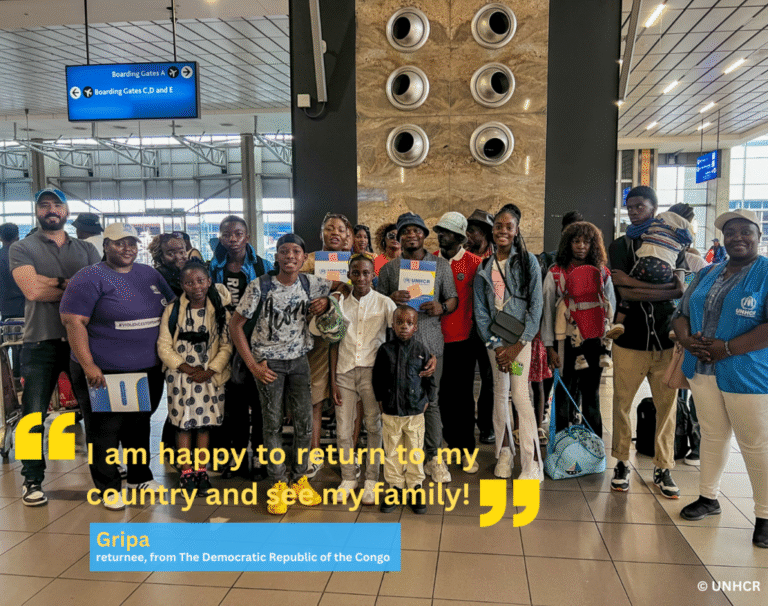
Going Home with Dignity:
How UNHCR Supports Afghan Refugees Returning from Pakistan
Introduction: The Long Road Back
For many Afghan refugees in Pakistan, the dream of returning home never fades. But that journey — often after decades in exile — is not simple. It involves security, stability, reintegration, and dignity.
UNHCR plays a vital role in making voluntary repatriation possible and humane. It’s not about forcing people back. It’s about helping those who choose to return, offering them support, protection, and a better chance to rebuild their lives.
What Is Voluntary Repatriation?
Voluntary repatriation is one of three durable solutions for refugees (alongside local integration and third-country resettlement). It means:
- Refugees choose to return to their country of origin
- They receive neutral, verified information about conditions back home
- They get support for the journey and for starting over
UNHCR does not organize mass deportations. It only assists refugees who register for return by choice.
How the Return Process Works
UNHCR runs a structured and dignified return process with several steps:
1. Registration and Counseling
- Refugees visit UNHCR Voluntary Repatriation Centers (VRCs) in Pakistan
- They undergo individual interviews to confirm that their decision is voluntary
- UNHCR provides updated information on conditions in Afghanistan (security, schools, jobs, etc.)
- Family groups and vulnerable persons (elderly, women, disabled) receive special attention
2. Travel Assistance and Support
- Refugees are provided with:
- Free transport to designated points at the border
- A cash grant (approx. $200 per person) upon arrival in Afghanistan
- Help with luggage, documentation, and children during the journey
- Vulnerable families are fast-tracked to reduce waiting times
3. Reception in Afghanistan
- UNHCR operates Encashment Centers in Afghanistan to provide:
- Financial assistance
- Basic relief items
- Information on health, housing, and schooling
- Help with land disputes or ID registration, in partnership with Afghan authorities and NGOs
Key Numbers (2002–2024)
- Over 4.4 million Afghan refugees voluntarily repatriated from Pakistan since 2002
- More than 300,000 returned between 2016 and 2022
- Peak years included 2002–2005 and 2016, often driven by optimism or government policy shifts
Challenges Refugees Face on Return
Security & Stability
- Many returnees face ongoing conflict, poverty, or ethnic tensions in Afghanistan
- UNHCR advises only informed and voluntary returns — not mass campaigns
Loss of Livelihoods
- Returning families often find no jobs, land, or infrastructure, especially in rural areas
- UNICEF, WFP, and other UN agencies work alongside UNHCR to support basic needs
Children Born in Pakistan
- Many youth have never seen Afghanistan
- Cultural adjustment, language barriers, and lack of documentation are common issues
“It’s not just about going home. It’s about going home to something.”
— UNHCR Field Officer, Kabul
Where Are People Returning From?
Voluntary repatriation efforts are most active in:
- Khyber Pakhtunkhwa (Haripur, Peshawar, Kohat)
- Balochistan (Quetta, Chaman)
- Punjab and Sindh (Karachi, Rawalpindi) — mostly urban Afghan residents
UNHCR’s Policy on Returns
UNHCR emphasizes:
- Voluntariness: Refugees must not be pressured or coerced
- Dignity: Travel should be safe, humane, and respectful
- Sustainability: Returnees need long-term support, not just bus rides home
In recent years, UNHCR has condemned forced deportations and stressed the importance of regional responsibility and international funding to support reintegration inside Afghanistan.
Real Story: Feroza’s Return to Nangarhar
Feroza, 45, fled to Pakistan in the 1990s. In 2022, she returned with her three children through UNHCR’s repatriation program.
- “We lived in Haripur for 17 years. Pakistan gave us shelter and school. But I wanted to raise my children where I was born.”
- With UNHCR’s help, she received a cash grant, enrolled her children in school in Jalalabad, and began rebuilding her home with the help of relatives.
“It wasn’t easy. But at least we had a chance to come home with dignity, not fear.”
Final Thoughts: From Refugee to Returnee
Every refugee’s journey is personal — and so is their return. With decades of experience, UNHCR ensures that going home is not just a movement across borders, but a step toward rebuilding a life with rights, safety, and hope.
As Pakistan navigates its future refugee policies, voluntary, supported return — not mass pressure — must remain the path forward.
“Return is not just a destination. It’s a beginning.”
— UNHCR Pakistan